
It's 1935 and you’re sewing. The seam is running straight, the machine is humming, and then the thread underneath runs out.
You stop. Open the machine. Pull out the bobbin, the little spool under the needle plate, and wind it full again. Thread it back in. Close everything up. Find your place in the fabric. Start again.
An hour later, you do it all over.
It's just part of sewing. That's what a workaround does: repeat it enough times and it stops feeling like a problem. It starts feeling like the job.
Beulah Louise Henry didn’t let a workaround become the job.
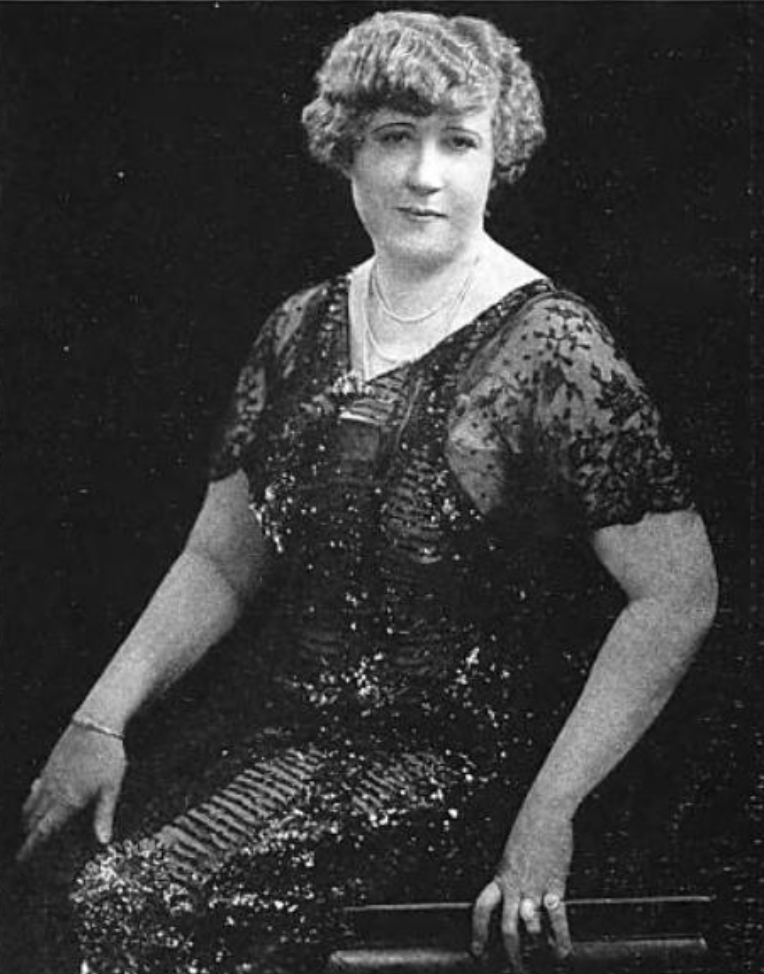
A Better Way
Henry started noticing early. At six years old, visiting her grandmother in Raleigh, North Carolina, she watched the hem of a flag brush the ground as it was lowered at the neighborhood post office. Her fix: put a hole through the pole so the flag could drop inside it.
At nine, she saw a man struggling to read his newspaper while carrying his groceries. So she built her first prototype: a belt with a paper holder attached.
She didn’t go to engineering school. She didn’t have a fancy lab. She just had a habit of watching people struggle with ordinary things and refusing to accept the struggle.
Around 1920, she moved to New York City to make a living as an inventor.
Nobody Would Build It
One of her first ideas was a parasol with snap-on covers you could swap to match your outfit. Same frame, new look.
She climbed endless flights of stairs to umbrella manufacturers and model makers. They all said the same thing: you can't pierce steel ribs with snaps. It won't work. The model makers wouldn't even try.
So Henry built the model herself.
When she brought it back, the model maker admitted it could be done, and offered to make them for her. The parasol became a commercial success. Henry put the money straight back into the next idea, paying model makers, draftsmen, and patent attorneys to help her build faster. Through the 1920s and 30s, she averaged more than two patents a year. Reporters started calling her the "Lady Edison."
Inside the Machine
Henry kept finding friction everywhere she looked.
Walking through Manhattan one day, the clatter of typewriters from a meeting still in her ears, an idea for a quieter typewriter came to her. She stopped and sketched it on the spot.
Typewriters held another problem, too. Typists of the era made copies with carbon paper, which left black smudges on their hands, faces, and clothes. Henry's question was simple: couldn't this be corrected? She designed an attachment that slipped an inked ribbon between the pages, so the typist never had to touch the mess. It had to fit hundreds of different typewriter models. It did.
Then came another idea. Looking out her window at the chain-link decorations around a theater marquee, she saw a different way a stitch could be formed. She worked it out with hairpins, spools, and wire. The result was a bobbinless sewing machine, with no stopping to rewind, and stronger seams made with thinner thread.
She earned 48 U.S. patents in her lifetime: toys, typewriter attachments, sewing machines, kitchen tools, fashion accessories. The last one was granted in 1970, after her death.
When reporters asked how she did it, her answer was simple: "I just look at something and think, 'There's a better way of doing that.'"
Two Different Questions
Some people at the sewing machine asked: how do I get faster at changing the bobbin?
Henry asked: why is there a bobbin at all?
The first question makes a better workaround. The second one makes the workaround disappear.
Think Variant
Is there a better way of doing that? You might have said that at a workbench, or loading the car, or holding something in place while reaching for a tool, wondering why a two-handed job seems to need three.
You might already know where the friction is. You might have been working around it for years.
At Think Variant, we know familiarity can hide problems, including from us. So when we build something new, we hand it to someone who's never seen it, and stay quiet. On purpose. We watch them lift it, turn it, try to use it. Their first instinct often shows us the workaround we stopped noticing.
What are you working around right now? What is that extra step or that awkward grip, or the thing you do without thinking?
Take another look at it. There might be a better way of doing that. Build it.
