
Painting Over The Problem
It's 1955. Imagine you're a secretary and you've just typed a full letter, until the last line, where your finger slips. You press the wrong letter. Your stomach drops. The whole page is now ruined.
Your office just got the new electric typewriters and they use a carbon ribbon, and the carbon doesn't erase. If you touch it, it smears. One typo, one mistake and the whole page goes in the trash. You need to start over. Again.
This was Bette Nesmith Graham's job, every day. She was a single mother raising a son on a secretary's salary, and she was not a particularly fast typist. The machine that was supposed to make her job easier has turned every small mistake into a catastrophe.
The obvious answer is the one everyone reached for: get better at typing. Type slower. Concentrate harder. Make fewer mistakes.
Off the Clock
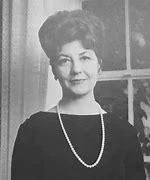
Bette Nesmith Graham, Inventor of Liquid Paper
On weekends, Bette painted. She even painted the holiday window displays at work for extra money. One day, she fixed a mistake on a display the way painters always do.
A painter doesn’t reach for an eraser. When they put down the wrong color, they mix a new color to match the background, then paint over the error, let it dry, and keep going. The mistake is still under there. And nobody can tell.
It clicked!
She'd been trying to erase her typos. But painters have spent centuries learning they don't erase a mistake, they just cover it.
The solution to her work problem had been in her paint kit the whole time.
She went to the library, looked up how to mix tempera, and made a white paint to match the stationery at work. She put it in a container, brought a thin brush to work, and quietly painted over her typos. It dried. Then she typed over it.
It worked!
Two Decades, One Bottle at a Time
She didn't get rich overnight. She used it secretly at her own desk first. Then other secretaries noticed and wanted their own. By 1957 she was selling about a hundred bottles a month, mixing them in her kitchen blender and pouring them into empty nail polish bottles, her son and his friends filling them in the garage.
Then it compounded. Slowly. A hundred bottles a month became five thousand a week. Then a million bottles a year. Then twenty-five million. It took roughly two decades of refining the formula, fighting for control of her own company, and building a real factory.
In 1979, she sold Liquid Paper to Gillette for $47.5 million.
Look Outside the Room
Everyone who faced this electric typewriter asked the same question: how do I stop making mistakes? Bette asked a different one: where has this problem already been solved?
The first question might make you a better typist but it could also increase fear and anxiety. The second question changes everything, because the answer to your hardest problem might already exist. Just not in your industry. Not in your discipline. Not in the room you're standing in.
That's how we work at Think Variant. When a problem doesn't have an answer on the manufacturing floor, we find a solution in a different room. We needed a material that would hold two parts together and then dissolve cleanly away. None of the adhesives or solutions on the factory floor worked. So we went to another industry: kitchens. We brought honey to the workbench and it was the perfect answer to our problem! For another prototype, we needed to dispense a liquid at a precise, controlled rate. We found the answer by using medical equipment. We found both of these solutions by looking outside the room we were in.
What problem are you trying to solve right now? Bette's answer was sitting in her paint kit the whole time. Yours might be one room over.
Look outside the room you're in.
