
The Sound of Human Innovation
TIME announced its Best Inventions of 2025, and one stood out immediately: the Orchid, a synthesizer the size of a laptop, light enough to drop in a backpack, and simple enough for a beginner to create music within minutes.
The Orchid by Telepathic Instruments immediately invites you to touch, explore, play, and create.
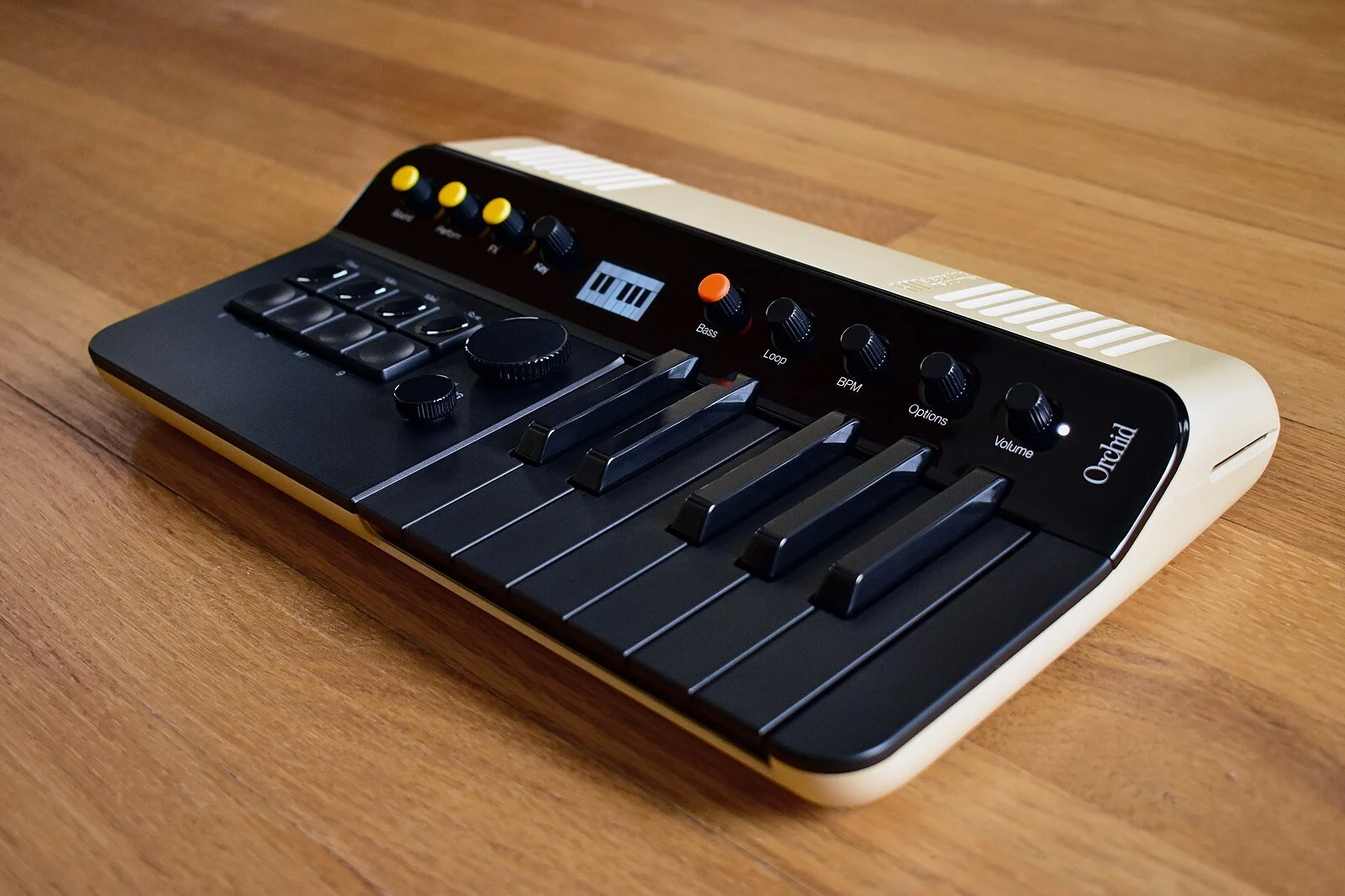
The Orchid, a music synthesizer, developed by Telepathic Instruments won Time’s Best Inventions of 2025
But its story doesn’t start in 2025.
Its lineage traces back to a small workshop in upstate New York, where a quiet man had a radical belief: electronics should behave more like instruments than machines.
His name was Robert Moog.
The Synthesizer That Made Technology Feel Human
From the 1900s to the early 1960s, electronic sound came from huge, complex systems. These were room-sized machinery, unintuitive, unaffordable, inaccessible. Most lived in research labs and universities. Few artists got the chance to try them.
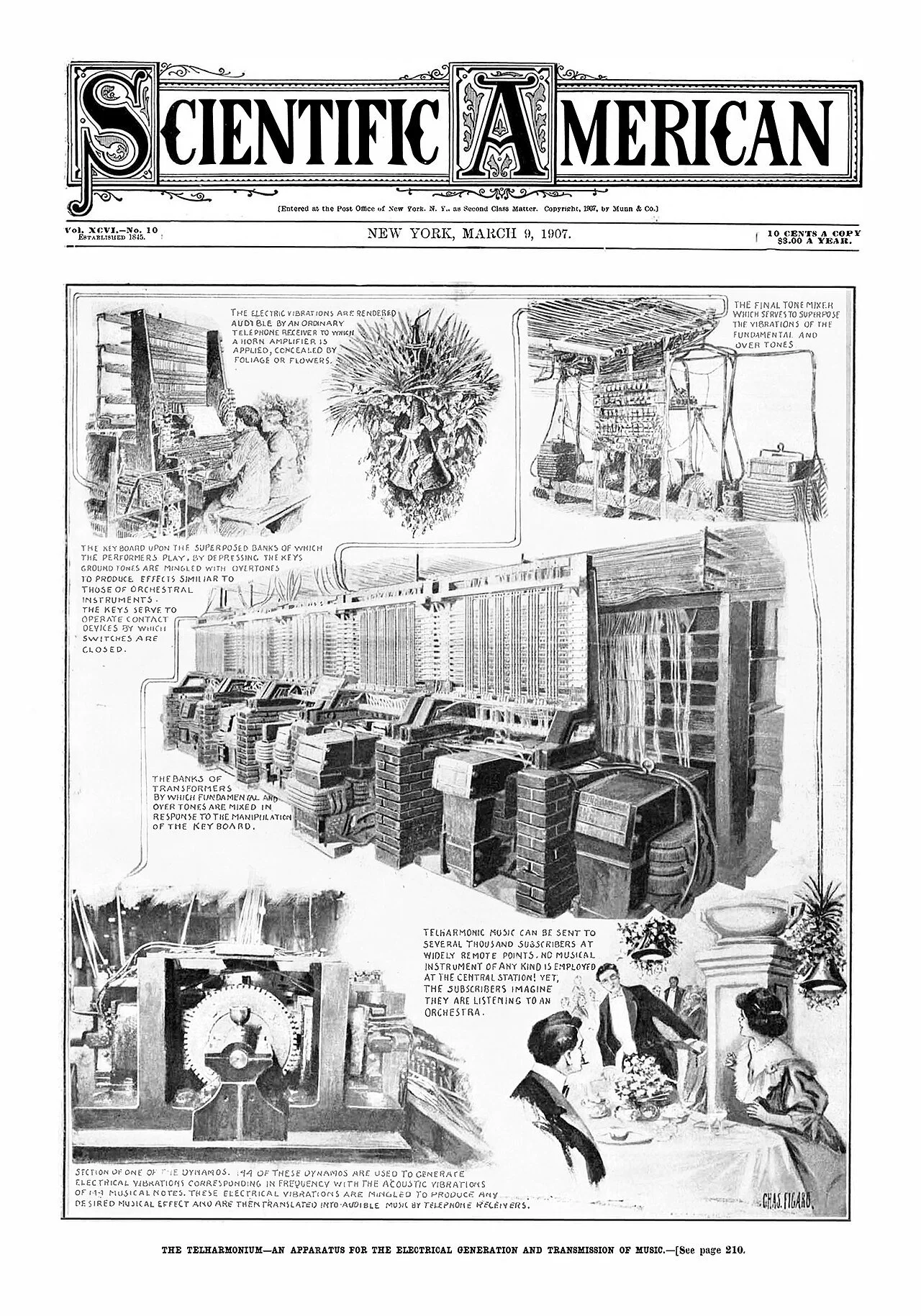
Front page of Scientific American in 1907, demonstrating the size, operation, and popularity of the Telharmonium.
Robert Moog saw something different.
He invented a musical instrument that didn’t require a technician to operate them. Something compact, intuitive, and expressive—a synthesizer that fit in a studio, in the hands of an artist.
Moog’s real innovation wasn’t a product, it was an interface.
He gave musicians and artists knobs, sliders, patch cables, and a keyboard, not punch cards, not code. You didn’t program a Moog. You played it, expressively.
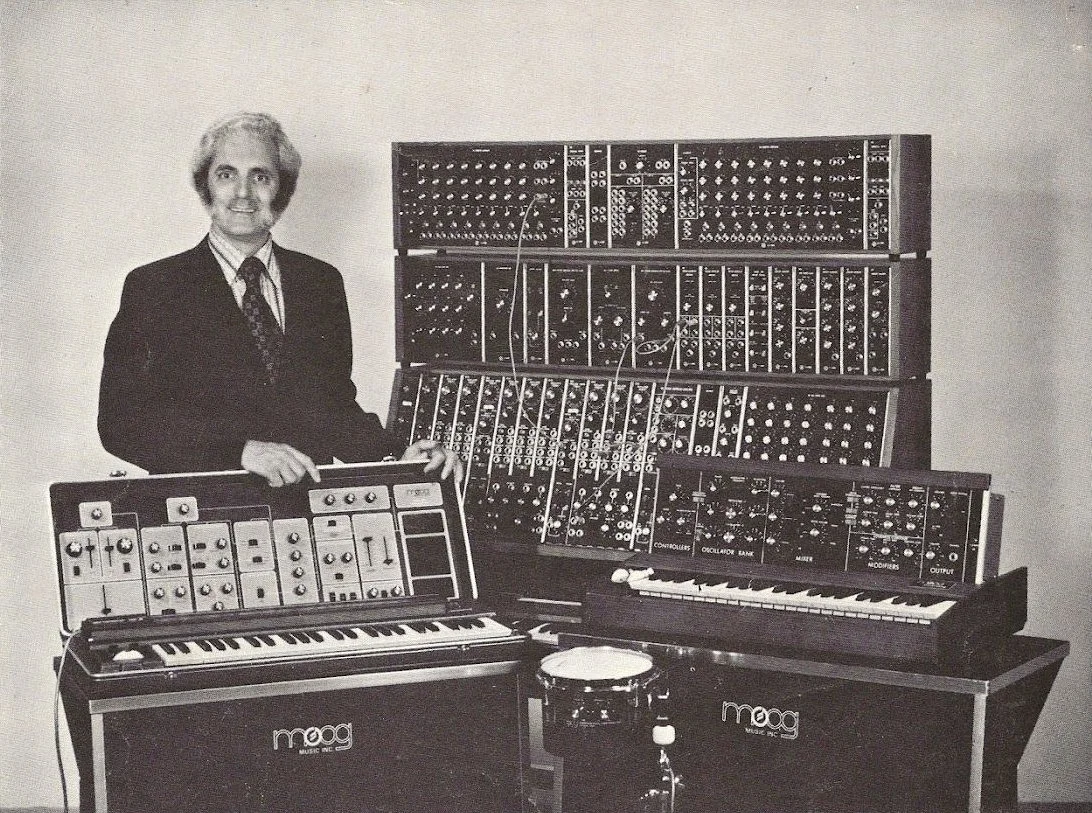
Robert Moog in the 1970s
Moog made electricity expressive, and innovation accessible.
By 1966, Moog had coined the word “synthesizer.” Within a decade, it became a genre.

Mini-Moog synthesizer
2025: The Same Principle, Reinvented
And now, nearly 60 years later, the Orchid brings that same spirit to a new generation. It strips away complexity. It rewards curiosity. It lowers the barrier between idea and sound.
Different era. Different technology. Same principle: Design for humans.
And when you zoom out, you realize this isn’t just the story of Moog, or the Orchid.
It’s the story of human innovation.
From Moog to the Orchid to Think Variant
Whether it’s 1965, or 2025, the most powerful innovations don’t start with specs. They start with people.
At Think Variant, we don’t just build products, we design for the human first: their ideas, their problems, their future. Whether it’s knobs and sliders or apps and sensors, the goal is the same: human innovation.
From Moog’s keyboard to the Orchid’s button grid to every solution yet to come, the future isn’t built with code alone. It’s built with empathy.
